




How PletaFlex technology works in KORDEKO flexible tile
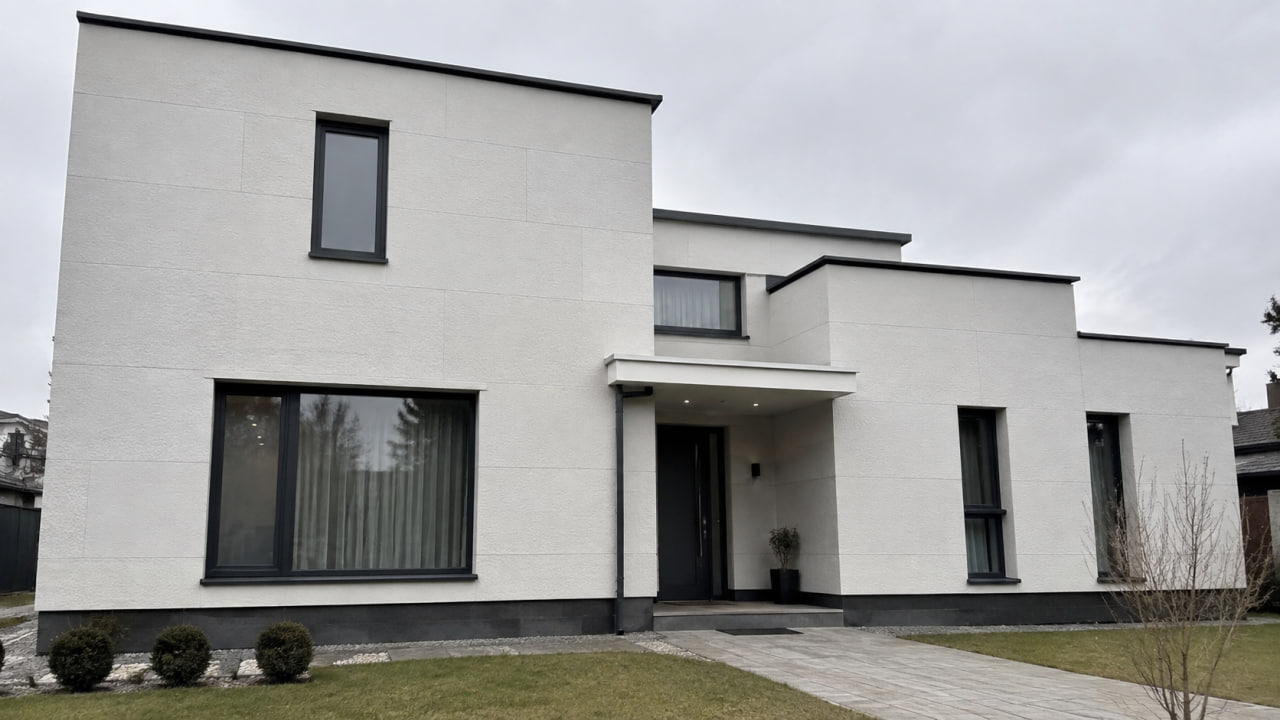
Flexible tile looks like a stone finish, but it does not behave like heavy, brittle stone. That is the principle of PletaFlex technology: combining mineral texture, flexibility, good adhesion and protection against moisture in a single material.
Put simply, PletaFlex is not just a "thin tile". It is a multi-layer system in which every component has its own job: marble gives the natural look of stone, the polymer matrix binds the material, the backing helps it hold its shape, and hydrophobic additives raise its resistance to moisture.
What flexible tile is made of
The base of the material is the mineral fraction, including marble. It forms the texture, the depth of colour and the look of natural stone. The composition also includes:
- mineral filler;
- a polymer binding matrix;
- a reinforcing backing;
- hydrophobic additives;
- a textured decorative layer.
Thanks to this structure, KORDEKO flexible tile (PletaFlex) combines the look of stone with lower weight and easier installation on facades, plinths, corners, window reveals, in interiors and on decorative elements.
What the matrix is, in plain words
The matrix is the binding part of the material. It holds the mineral particles together and helps the tile stay whole, flexible and stable. Think of it this way: the marble fraction is responsible for the stone texture, and the matrix works as a "smart bond" that joins all the components into a single layer.
The matrix keeps the material from crumbling, preserves its flexibility, lets it tolerate small movements of the substrate, helps it keep its shape and lets it perform well in the tricky areas of a facade. That is why flexible tile is nothing like ordinary brittle cladding: it does not crack on the facade the way rigid materials do, and it can be used with confidence where clean edges and joints matter.
Adhesion: why the material has to bond firmly to the substrate
Adhesion is the material's ability to bond firmly to the substrate through the adhesive layer. On a facade this is essential, because the finish is permanently exposed to wind, rain, sun, frost and temperature swings.
Good adhesion does not depend on the tile alone — the whole system matters: a sound substrate, the right primer, an adhesive suited to facades, a flat reinforcing layer, the correct installation temperature, and no dust, moisture or weak spots. When the substrate is prepared properly, the tile becomes part of the facade rather than a decorative layer sitting on the surface — which is why correct installation of flexible tile matters so much.
Why hydrophobicity matters for a facade
Hydrophobicity is the material's ability to resist moisture. For exterior finishes it is one of the essential properties, because a facade is in constant contact with rain, snow, fog, splashes and meltwater.
Hydrophobic properties help reduce water absorption at the surface, lower the risk of dirt streaks, protect the look and texture of the facade, simplify maintenance and improve durability around the plinth and the entrance. Still, the material's hydrophobicity does not replace gutters, sills, drip profiles and correct slopes: if water runs down the wall all the time, any finish will be harder to keep clean.
How the technology works on the facade
On a facade, flexible tile does two jobs at once: decorative and protective. It creates the look of stone without loading the wall with excessive weight. The material is particularly useful where ordinary rigid cladding is hard to use:
- external corners;
- window reveals and surrounds;
- the plinth;
- the entrance area;
- columns, arches and cornices;
- stairs, balconies and terraces.
Thanks to its flexibility and low weight, the material adapts more easily to architectural details, keeping the geometry clean and the look uniform. For the same reason, a light cladding is often more practical than a rigid one — there is a detailed comparison in the article on the differences between flexible tile, ceramic tile and panels.
Why PletaFlex suits insulated facades
When Facade insulation is carried out, the final finish has to be compatible with the whole system. What matters is not only the look and the colour, but also the weight of the material, its adhesion and how it behaves at corners, reveals and junctions.
Flexible tile is well suited as the final layer on insulated facades, because it gives the look of stone without a heavy load. At the same time, the technology has to be respected: the reinforcement, the mesh, the primer, the adhesive and the correct technical details must all be in place before the finish goes on. The general principles of these systems are described by the European Association for ETICS.
Why the material does not look "plastic"
A quality flexible tile should not look like a film or an artificial panel. In PletaFlex technology, the visual effect comes from the mineral base and the texture of the surface.
That is exactly why the material reads as a stone finish: it has a natural structure, the surface does not look flat, light picks out the texture differently, and the shades are close to natural tones. This matters for the facades of private houses, commercial buildings and interiors where it is not just the colour that counts, but the feel of a natural surface.
What matters for durability
Even a good technology needs correct application. For the material to perform reliably, a few conditions have to be met:
- the substrate must be sound and clean;
- the surface must be primed correctly;
- the adhesive must be suited to facades and to the specific substrate;
- no installation on a damp, frozen or dusty wall;
- corners, reveals and junctions must be planned in advance;
- water must be led away from the facade, not left to run down the wall;
- the work must be done in suitable weather.
Then the technology can show its full advantages: the facade becomes light, neat, durable and practical in use.
In short: how PletaFlex works
Put simply, the technology works like this: the mineral base gives the look of natural stone; the polymer matrix binds the material and keeps it flexible; the reinforcing backing helps the tile hold its shape; hydrophobic additives raise its resistance to moisture; and the right adhesive together with substrate preparation secure it to the facade. The result is a material that looks like stone but installs more easily and more practically than heavy cladding.
Conclusion
PletaFlex is the technology that makes KORDEKO flexible tile practical for facades and interiors. The material is made of a mineral base, a binding matrix, a reinforcing layer and protective additives that help it keep its look, its flexibility and its resistance to moisture.
This structure allows flexible stone to be used on facades, plinths, entrance areas, corners, reveals, cornices and interior accents — wherever the look of stone, low weight, clean installation and durability matter.
Frequently asked questions
What is KORDEKO flexible tile made of?
Why doesn't flexible tile crack on the facade?
Is the material's hydrophobicity enough to protect the facade?
Need advice on your facade?
- ·Get a free consultation for your project
- ·Find out which material suits your facade
- ·We'll answer all your questions and help you choose